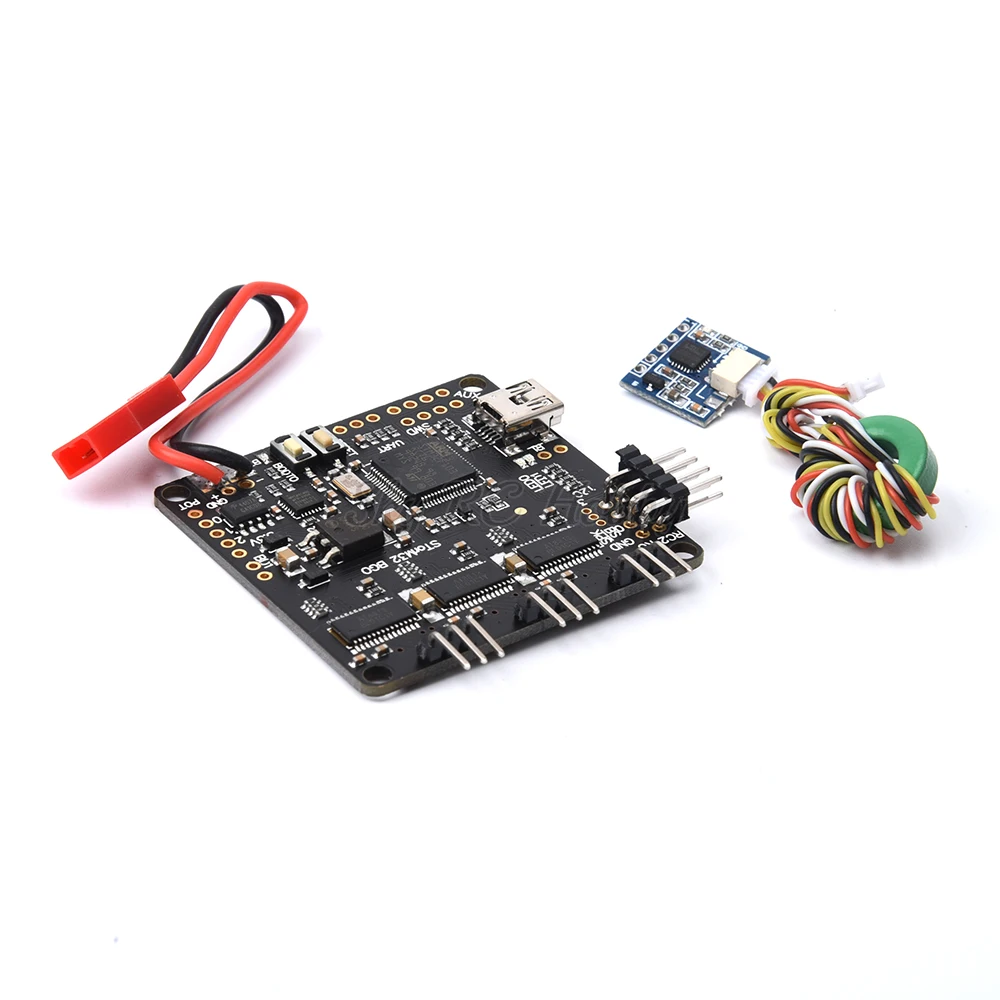
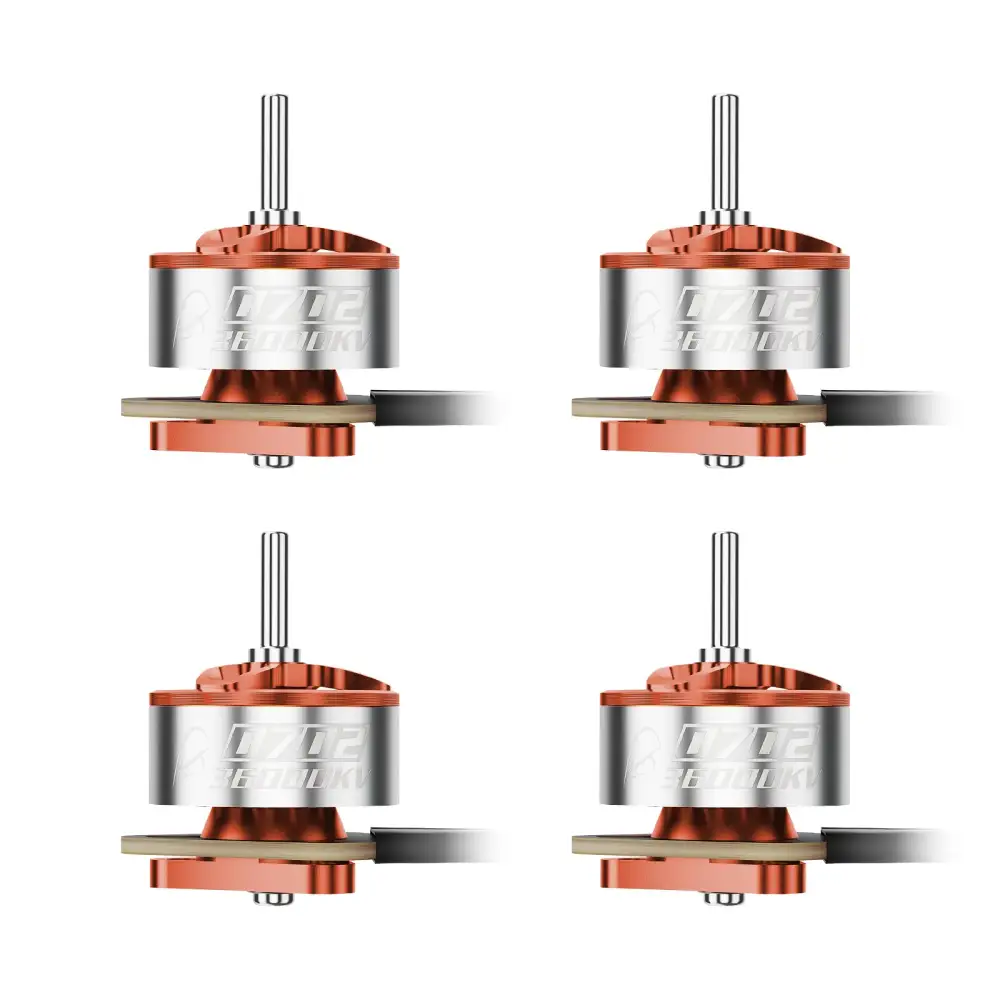
The radio link is the component customers ask about most and understand least. Five years ago Crossfire was the default answer. In 2026 that has changed, and if you are still stocking in the old ratio you are carrying stock that will not move.
Side by side
| ExpressLRS (ELRS) | TBS Crossfire | |
|---|---|---|
| Receiver cost | Very low — the cheapest entry point by a wide margin | Higher, roughly 3-5× an ELRS receiver |
| Band | 2.4GHz (also 900MHz / dual-band units) | 900MHz |
| Open or closed | Open source, many vendors | Single vendor ecosystem |
| Firmware friction | Higher — binding and flashing puts beginners off | Lower — signed, uniform, well documented |
| Best for | Racing, freestyle, sub-250g, high-volume resale | Long range, fixed wing, industrial and commercial UAV |
| Typical buyer | Hobbyist, price-aware, buys in volume | Professional or commercial operator |
Qualitative comparison from supplier and customer feedback, not a benchmark. Test in your own market.
The SKUs behind the decision
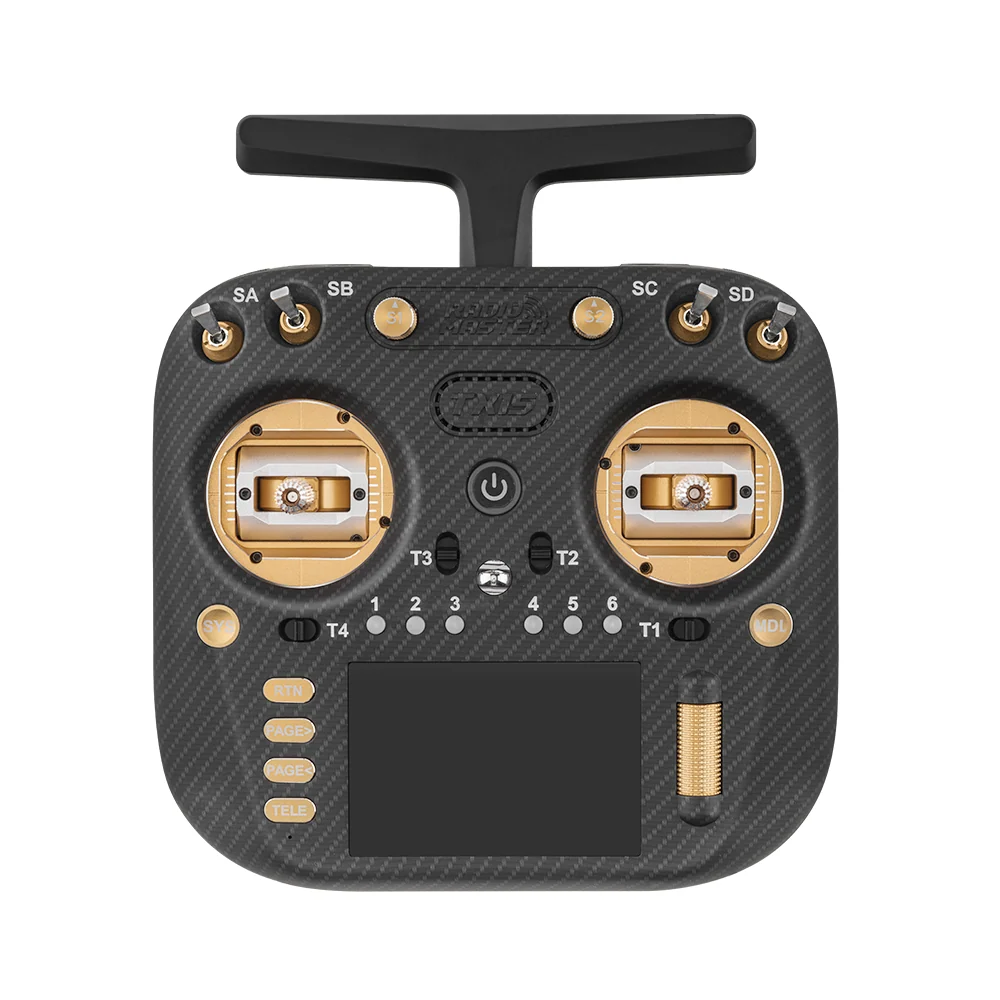
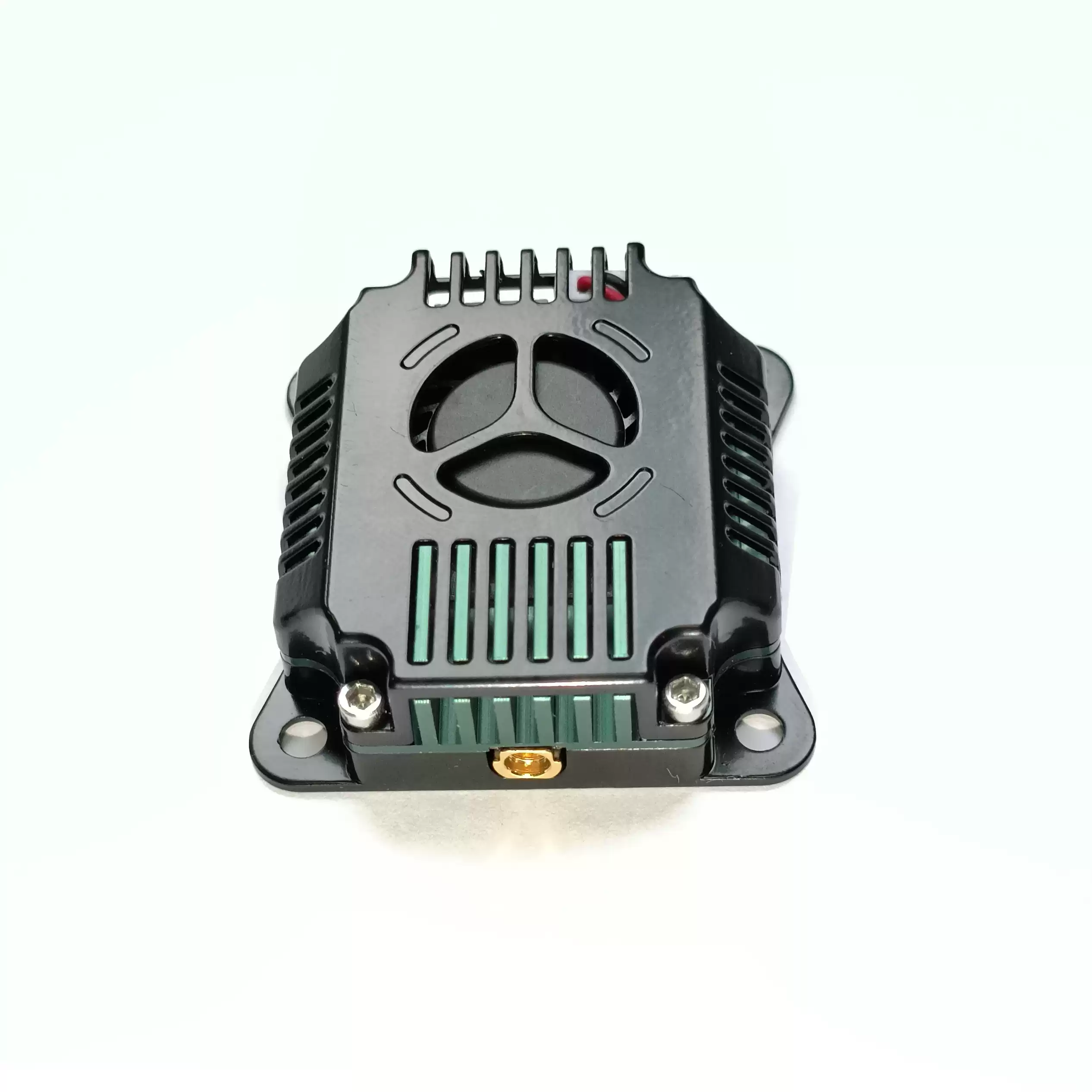
Do I need to stock both?
If you sell online, yes — customers arrive already committed to one or the other. If you run a local shop and know your customer base, you can weight one heavily.
Are dual-band receivers worth stocking?
For long-range and hybrid flyers, yes. They carry a higher unit price and lower return rate, but they turn over slower than a plain 2.4GHz receiver.