Most sourcing horror stories are not about China. They are about buying from a company nobody checked. Two failures cover almost all of them: paying a reseller who disappears with the deposit, and receiving a batch that fails in the field because nobody agreed what "tested" meant.
Below is the short version of what we would check if we were the buyer — the same list we expect from any supplier we buy from ourselves.
1. Find out what the company actually is
Ask a direct question: which of your SKUs do you make, and which do you buy in? A trading company pretending to be a factory will hesitate, or claim everything. A real one gives you a split and does not mind saying "we hold stock, and we work with partner factories for OEM".
Then check the registered name. A Chinese company has a business licence with a legal name, address and scope of business. Ask for a photo of it, and compare that name with the one on the invoice, the website and the bank account. If those three do not line up, stop.
2. Make the bank account match the company
Pay the company, not a person. The account name should match the legal name on the licence. A request to send a deposit to an individual's account, or to a third party in another province, is the most common warning sign in a first order.
Also ask which currency they invoice in and who absorbs the transfer fee. A supplier who has done export orders answers that without thinking.
3. Ask for a live call, not a photo album
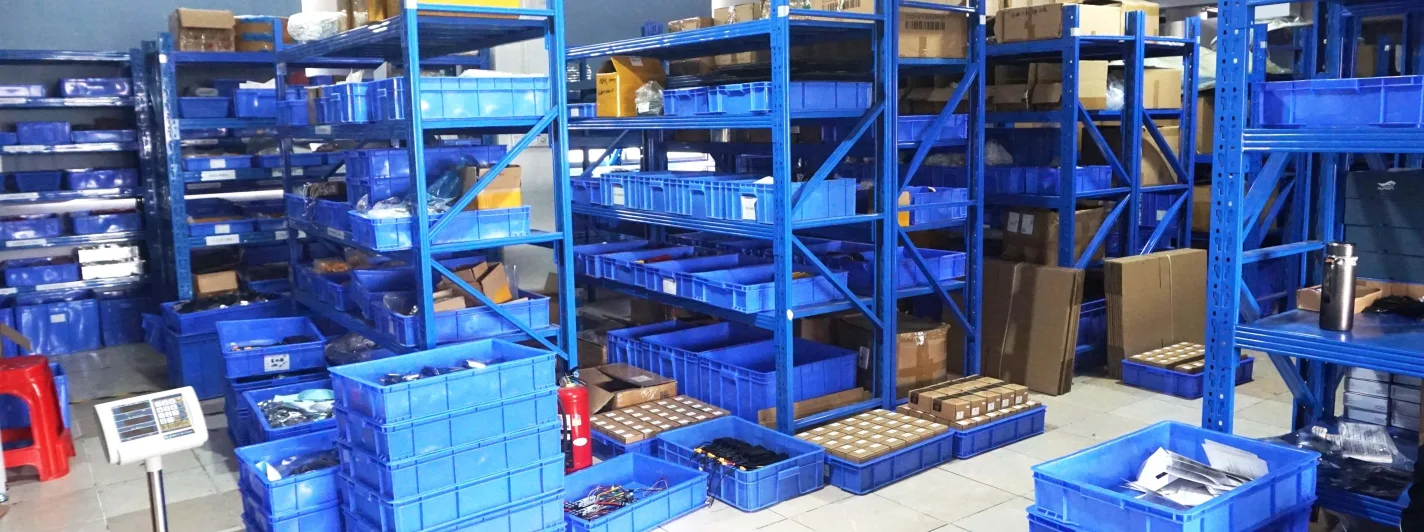
Every supplier has a PDF catalogue. Ask instead for a ten-minute video call where they walk to the shelf, pick the exact SKU you are quoting and show the label. It costs them minutes and tells you more than any brochure: whether the stock is really there, and whether the person answering actually knows the product.
4. Buy a sample before you buy a pallet
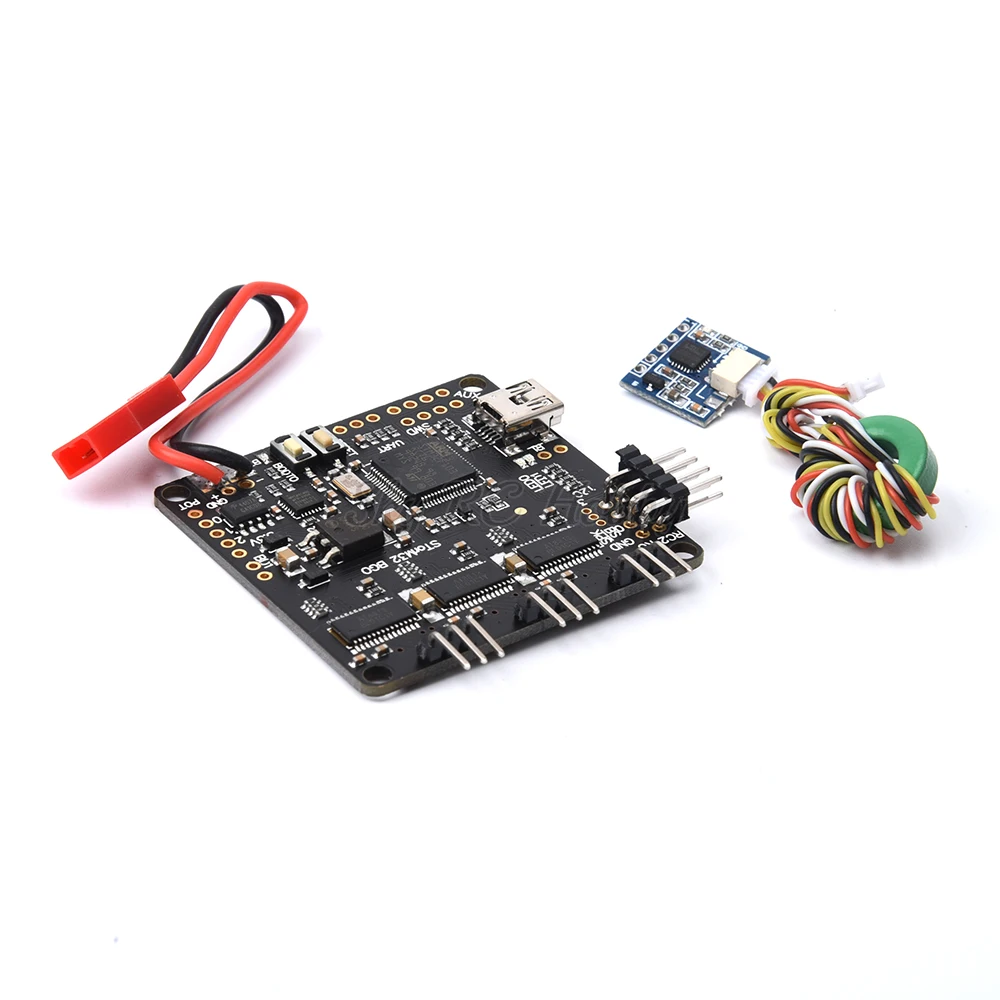
One piece, shipped to you. Check three things: does the part match the listing, does the packaging survive the trip, and does the hardware or firmware revision match what you expected. On FPV parts the revision matters more than the photo — a VTX that looks identical can ship with a different power table, and a flight controller can arrive with a different gyro.
5. Agree what "tested" means, in writing
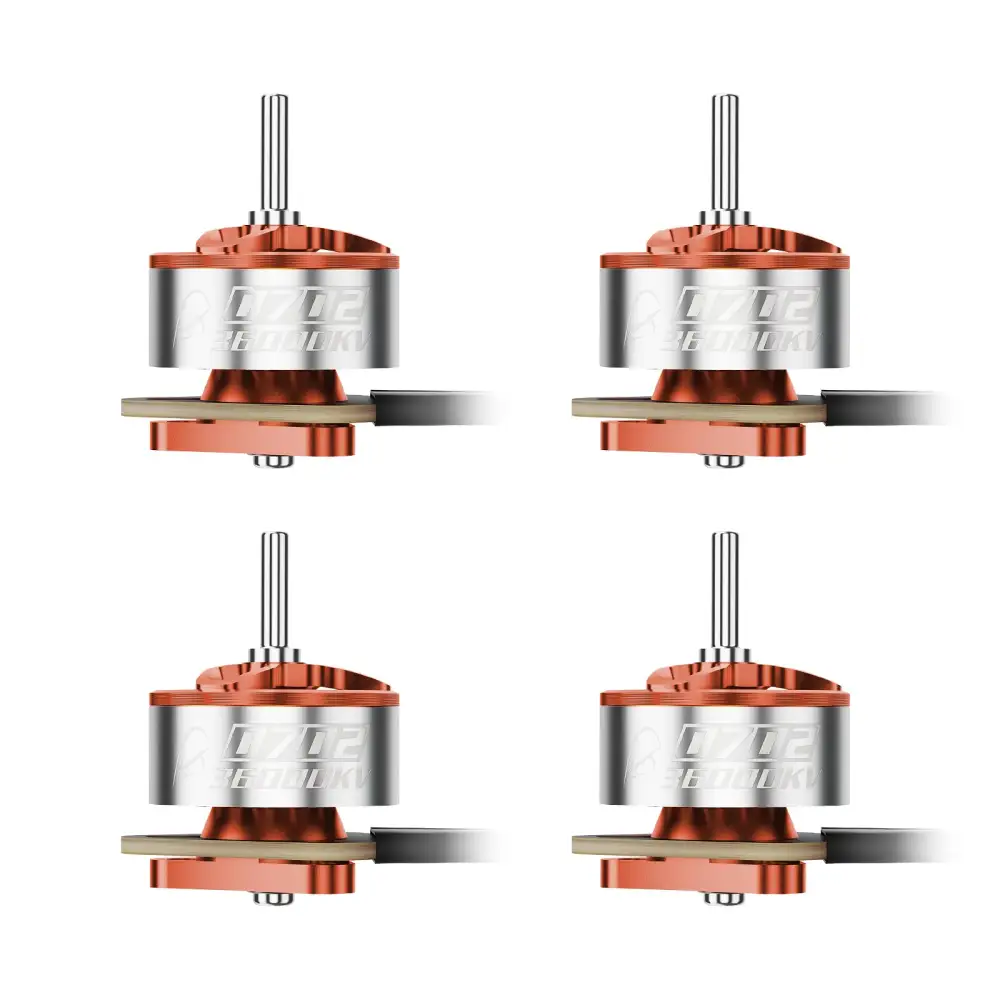
"All tested before shipping" is not a quality standard. Ask for the specific checks: motors spun and listened to for bearing noise, ESCs powered and flashed, flight controllers connected and sensor-checked, batteries voltage- and balance-checked. For OEM runs, agree an AQL and what happens to the failures — rework, credit or replacement.
If a supplier cannot describe those checks in a sentence or two, they are not happening on purpose.
6. Test the after-sales path before you need it
Ask two questions while everything is still friendly: what is your RMA process, and who pays freight on a defective unit? The answer tells you what month six will look like, when a batch has a problem and you are no longer a new customer.
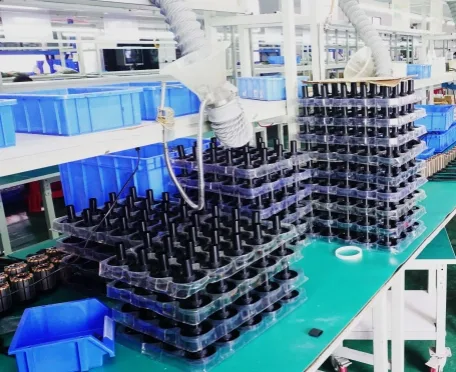
What this looks like on our side
We publish the same facts we ask for: a named trade contact, a Shenzhen address, in-house bench checks and a 12-month warranty with an RMA number. Our about page has photographs of the office and the production line we buy from — not stock images.
If you want to check us the way you would check any supplier, start with a sample and a spec sheet. Send the part numbers and the quantity you are planning and we will quote with lead time and freight included: request a quote.