Most equipment that comes back as "faulty" was never faulty. It was mismatched. A customer pairs a high-KV motor with a large propeller on a high cell count, the ESC over-currents, and the shop absorbs the return. Training your counter staff on KV is cheaper than absorbing those returns.
Compatibility quick reference
| Propeller | Typical KV range | Cells | Amps to plan for |
|---|---|---|---|
| 2-inch / 2.5-inch | 4000-6000 | 2S-4S | 15-30A |
| 3-inch / 3.5-inch | 2500-4000 | 4S-6S | 25-45A |
| 5-inch | 1700-2500 | 4S-6S | 45-65A |
| 6-inch / 7-inch | 1200-1800 | 6S-8S | 60-80A |
| 10-inch / 15-inch long range | 300-900 | 6S-12S | 80-120A+ |
Indicative ranges under typical freestyle and long-range loads. Confirm against the motor datasheet for a given prop before quoting a build.
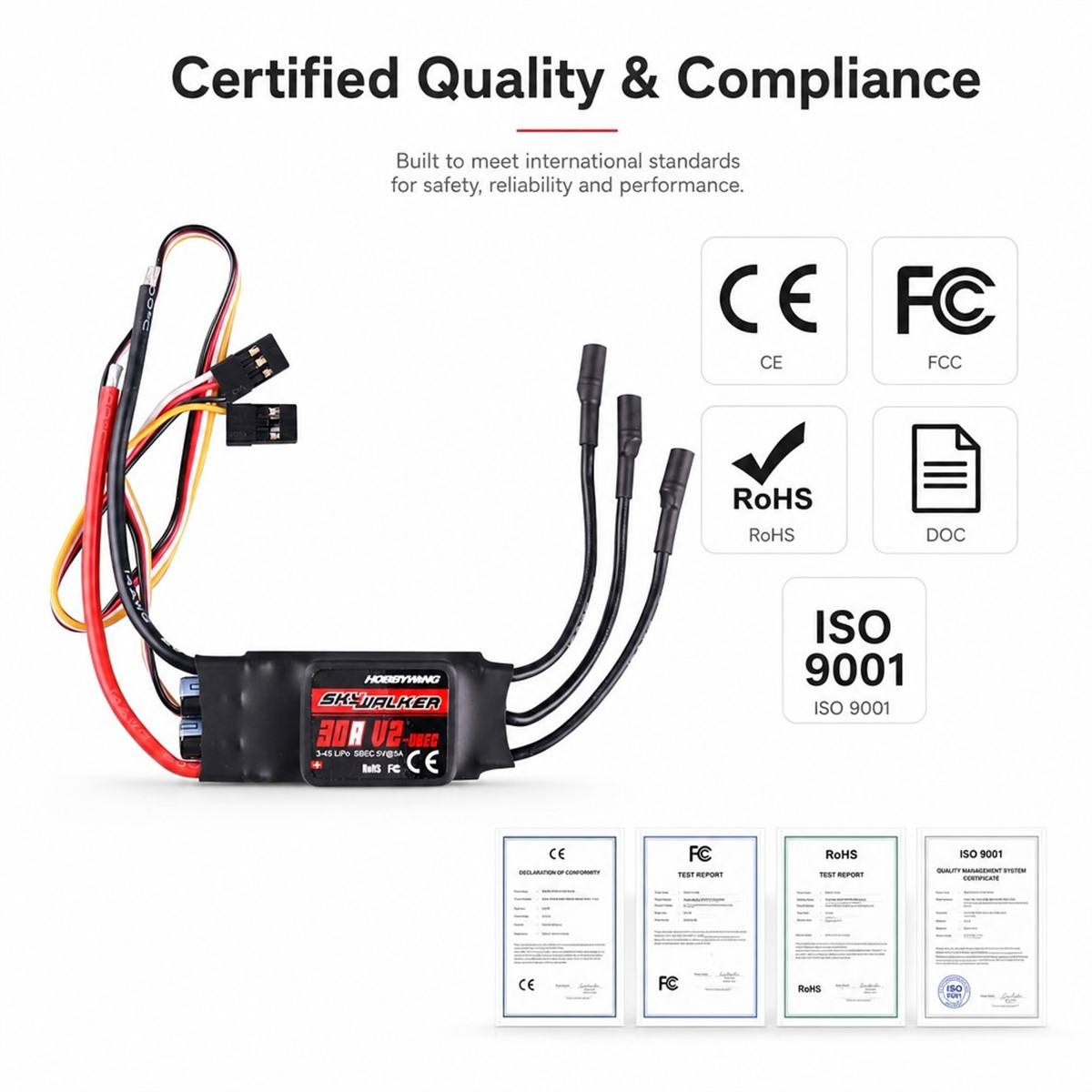
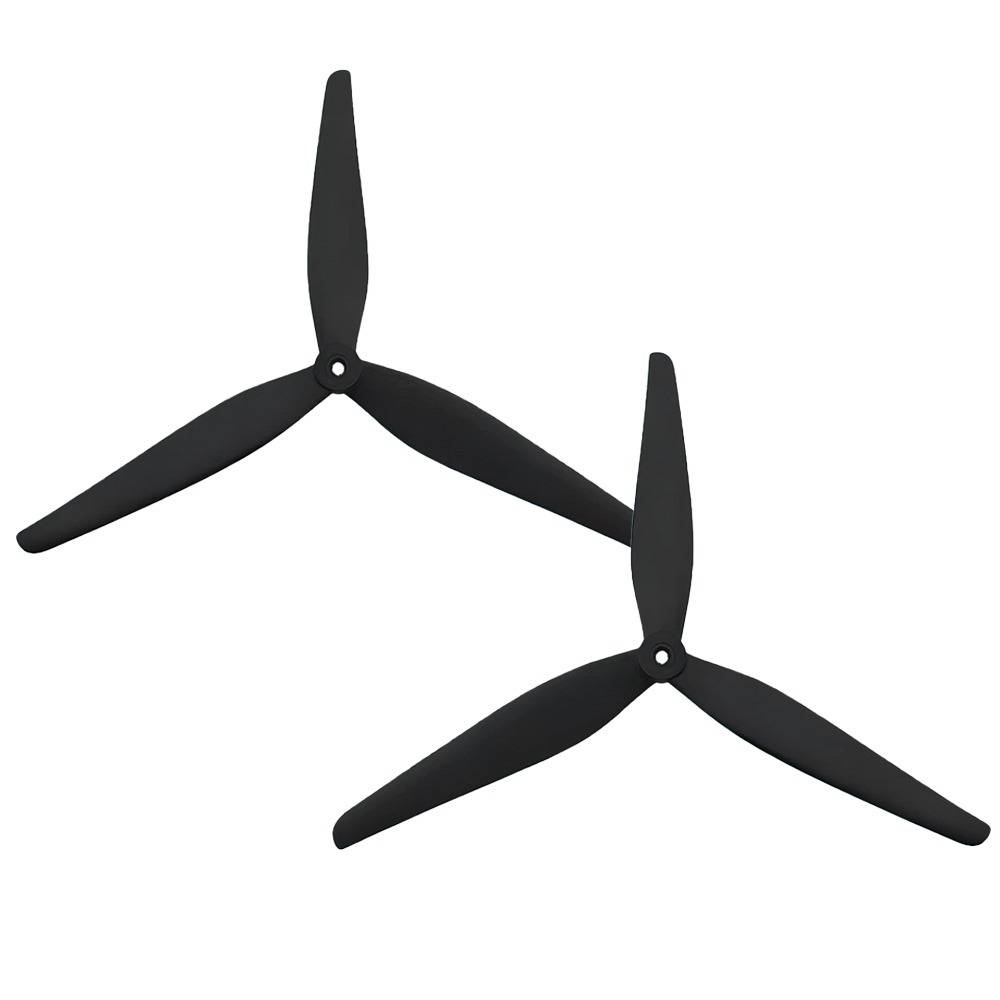
Parts that pair together
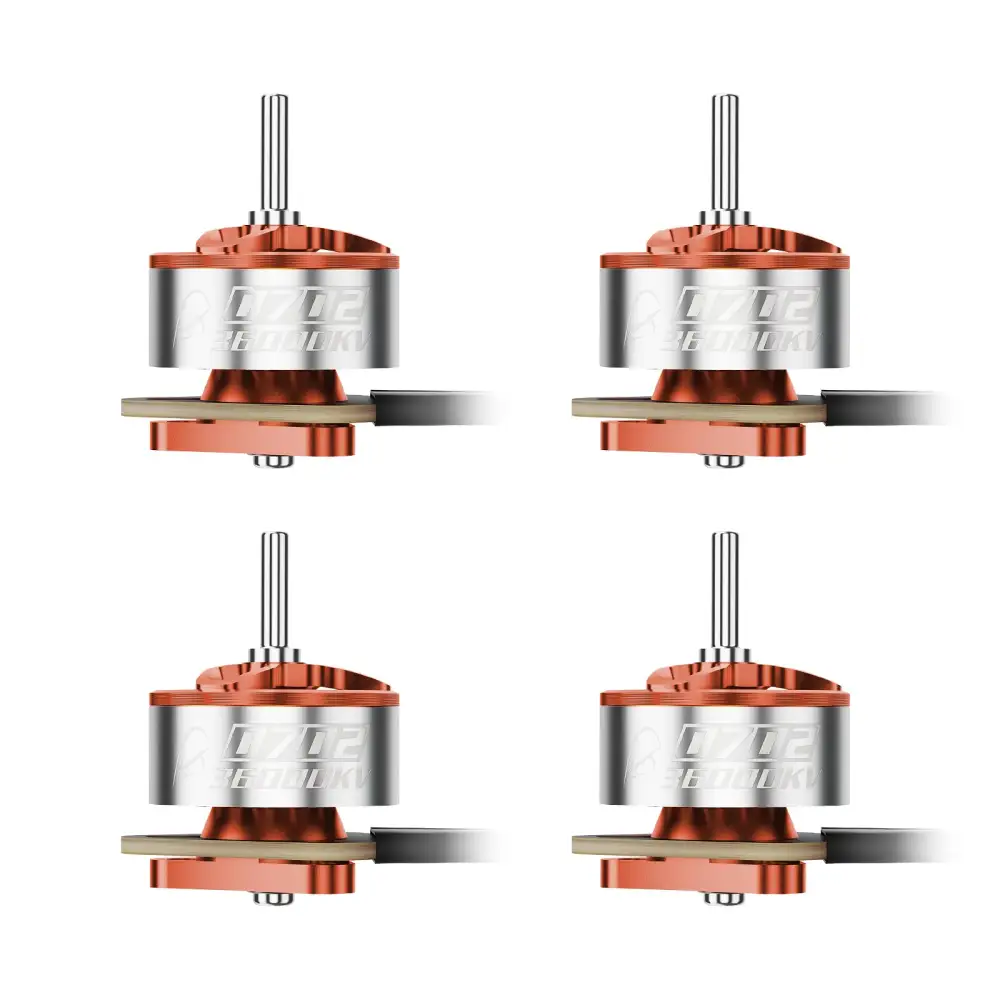
Will a higher KV motor damage a battery?
A motor cannot damage a battery, but the current it pulls can exceed the pack's continuous rating. That overheats cells and shortens their life. Match the continuous discharge rating to the motor's peak current, not its average.
Does brand matter for KV?
KV is a constant, but manufacturing tolerance is not. Prefer vendors who publish a KV tolerance figure.